134 private links
Having access to source code makes it possible to analyze the security and safety of applications. But if nobody actually looks at the code, the issues won’t get caught, and even when people are actively looking at code, there’s usually quite a lot to look at. Fortunately, GitHub has an active security team, and recently, they revealed a Trojan that had been committed into several Git repositories, having snuck past even the repo owners.

qrcp is a command line tool to transfer files from a desktop to a mobile device (and the other way around) over Wi-Fi, by scanning a QR code. It's available for Microsoft Windows, macOS and Linux.

Short walk through Vim's origins and why is Vim so popular today.

This is going to be a pretty quick post – I found out about entr relatively recently and I felt like WHY DID NOBODY TELL ME ABOUT THIS BEFORE?!?! So I’m telling you about it in case you’re in the same boat as I was.
There’s a great explanation of the tool with lots of examples on entr’s website.
The summary is in the headline: entr is a command line tool that lets you run a arbitrary command every time you change any of a set of specified files.
Here are five great tips and tricks for the Bash shell that you can use at your Linux terminal today.
Learn how to use the Logistic Regression model to classify unseen data.

Maersk is the world’s largest integrated shipping and container logistics company. I was massively privileged (no pun intended) to be their Identity & Access Management (IAM) Subject Matter Expert (SME), and later IAM Service Owner. Along with tens (if not hundreds) of others, I played a role in the recovery and cybersecurity response to the […]
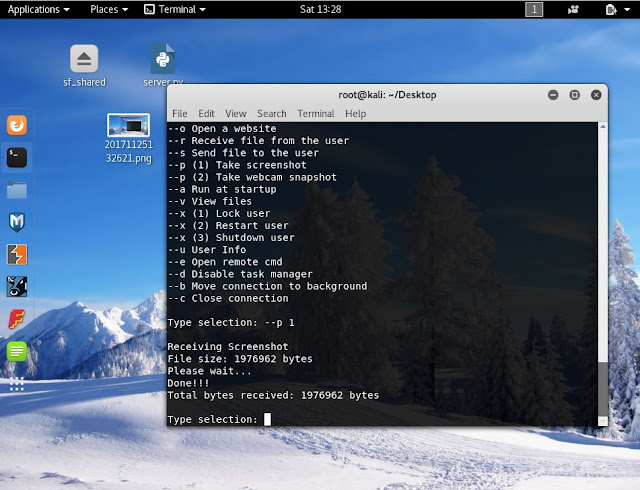
Applications to run at the command line.
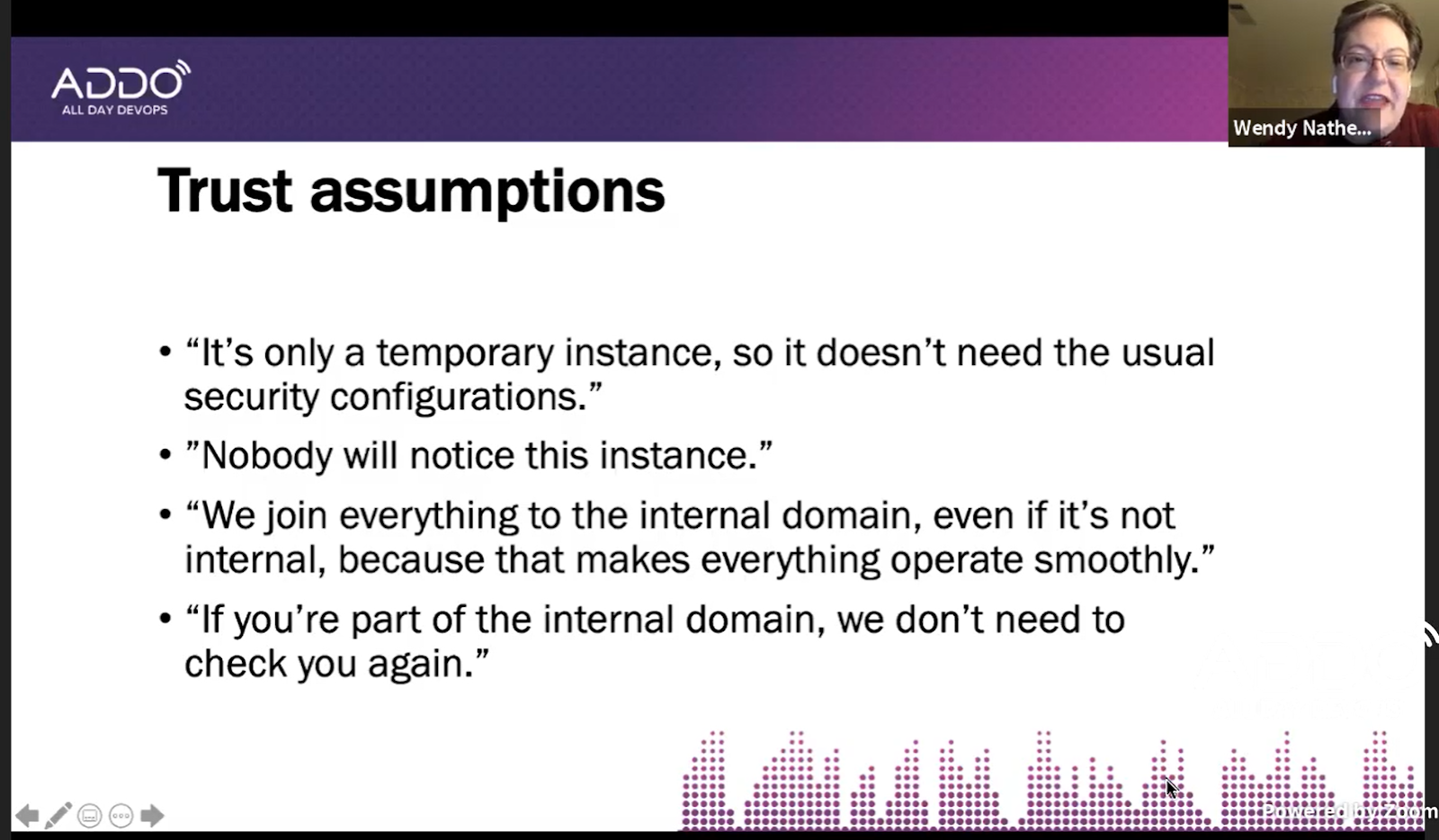
With zero trust, you assume everything on the network is unsafe. You have to check trust explicitly. This stance improves security throughout the SDLC.
Just took note of this tool, although I didn't try it out and I would be rather scared of a script that goes through my mailbox and deletes things...
Many of us use password managers to securely store our many unique passwords. A critical part of a password manager is the master password. This password protects all others, and in that way, it is a risk. Anyone who has it can pretend to be you… anywhere! Naturally, you keep your master password hard to guess, commit it to memory, and do all the other things you are supposed to do.
Worried about the security of your Linux server? Learn some easy to implement tips on securing SSH and make your Linux server more secure.
Here’s why Rust gets so much love, straight from the Rustaceans themselves.
Some examples of using unix tools in a pipeline.
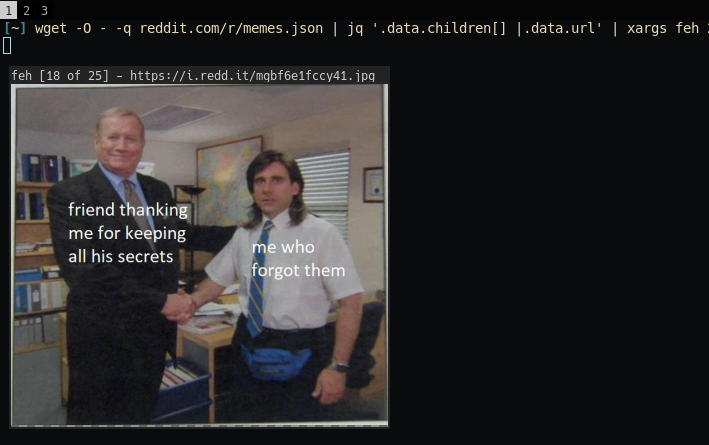
One of the reasons for the Web’s triumph over the Gophernet in the early 90s is its superior organisational structure. Hypertext links allow any one page to be linked from any other page without regard for hierarchy or location,1 but you can still define hierarchy and location like you would in a filesystem. Early on, in 1994, Ward Cunningham invented the wiki, a sort of mini-web that leveraged the associative power of hypertext linking within a single website.
One of the first things that impressed me about Mac OS X when I first saw it was its screensaver. Instead of just showing a simple slideshow of your pictures, it actually used a ‘Ken Burns’ panning and zooming effect with a fancy fading transition to make the otherwise static pictures really come to life. It always sounded like a fun project to create a standalone tool to create slideshow movies that used this effect, with full control over where and how much pictures should be zoomed.