135 private links


Like Gitbook but implemented in Rust.
Voice chat with an RPG map. Volume scales with distance from other users. Walk around, talk to folks, have private conversations by huddling in a corner, or drop in on other conversations. Ideal for meetups!
I can no longer sync iOS’ Contacts with my macOS Catalina’s Finder (the iOS sync portion of iTunes is now built into the Finder in macOS Catalina); the OS insists I’ve iCloud configured for Contacts which I do not. I’ve gone through all the steps Apple recommends, done the upgrades and the reboots, but there’s nothing doing. All the swearing and threatening of moving to a different operating system aren’t really helping.
CardDavMATE is an open source CardDAV web client implementation released under GNU AGPL (version 3.0).

I was very excited when I first used YAML, but some real-world usage showed it's not so great after all
Google's DeepMind has just released a new academic paper on AlphaZero -- the general purpose artificial intelligence system that mastered chess through self-play and went on to defeat the world champion of chess engines, Stockfish. In this video chess International Master Anna Rudolf takes a look at a never-before-seen game from a match played in January 2018, and discusses how the playing style and attacking chess of AlphaZero compare to computers and humans.
In the Koralian sea lies an island that exists on no map. Free from the mark of man, a wild landscape has evolved over millennia. Eight displaced tribes have washed ashore and must contend with an island that seeks to remain undisturbed. Ragged foliage, unique canyons, barren wastelands, scorching deserts and cursed forests make this a hard and cruel place to survive.

Linux/Unix desktop fun - Learn how to draw text mode ASCII-art box around text or code/scripts in vim / vi under for fun and profit.
About 15 years ago, I mused about the idea of having a "desert island machine". This is where I'd put someone in a room with a box that has a couple of hard drives and a working network connection. HD #1 is blank. HD #2 has a few scraps of a (Linux) OS on it: bootloader, kernel, C library and compiler, that sort of thing. There's a network connection of some sort, and that's about it.
Now you see things like people managing to do the original Super Mario Bros game from the 80s in under five minutes, and I do mean people. There are actual humans frobbing plastic controllers doing this! Just dig around on your favorite giant video-streaming site if you need evidence of this happening.
So here's the pitch: Linux speedruns. By that, I don't mean "speedrunning a game on a Linux box" (like emulation, or something). Nope.
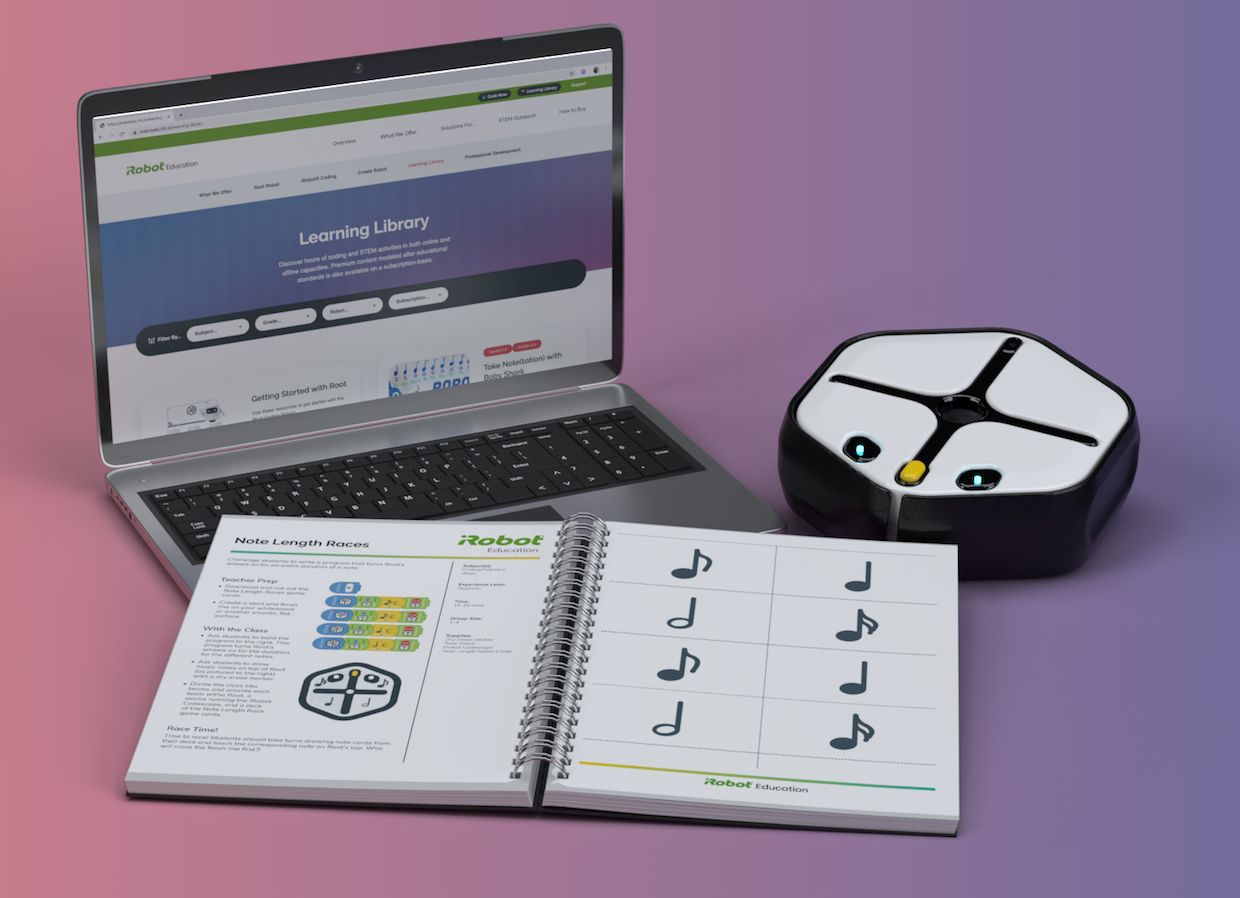
For robot navigation, we need odometry. Before we can determine a Hadabot's odometry, the Hadabot's ESP32 needs to compute and publish out its wheel's rotational velocity out to ROS2.
The software engineering field has controversy over using whiteboard coding in interviews, versus candidates doing take-home coding assignments. This is a false dichotomy, the problem is bad interviews.
With shar, you can easily create a self-extracting compressed file archive in Linux.
It would be great if it would not require to install the package also on the destination system.
We are now several weeks into lockdown and are starting to acknowledge that this “new normal” maybe with us for a while.
As introverts settle into their newfound bliss, extroverts begin to climb the walls, and managers come up with new and increasingly creative ways of stalking their employees, there is talk of a silver lining: the skeptics may finally embrace remote work.
It shouldn't have taken a pandemic, but here we are.
Alas, as it often turns out, the more things change, the more they stay the same.